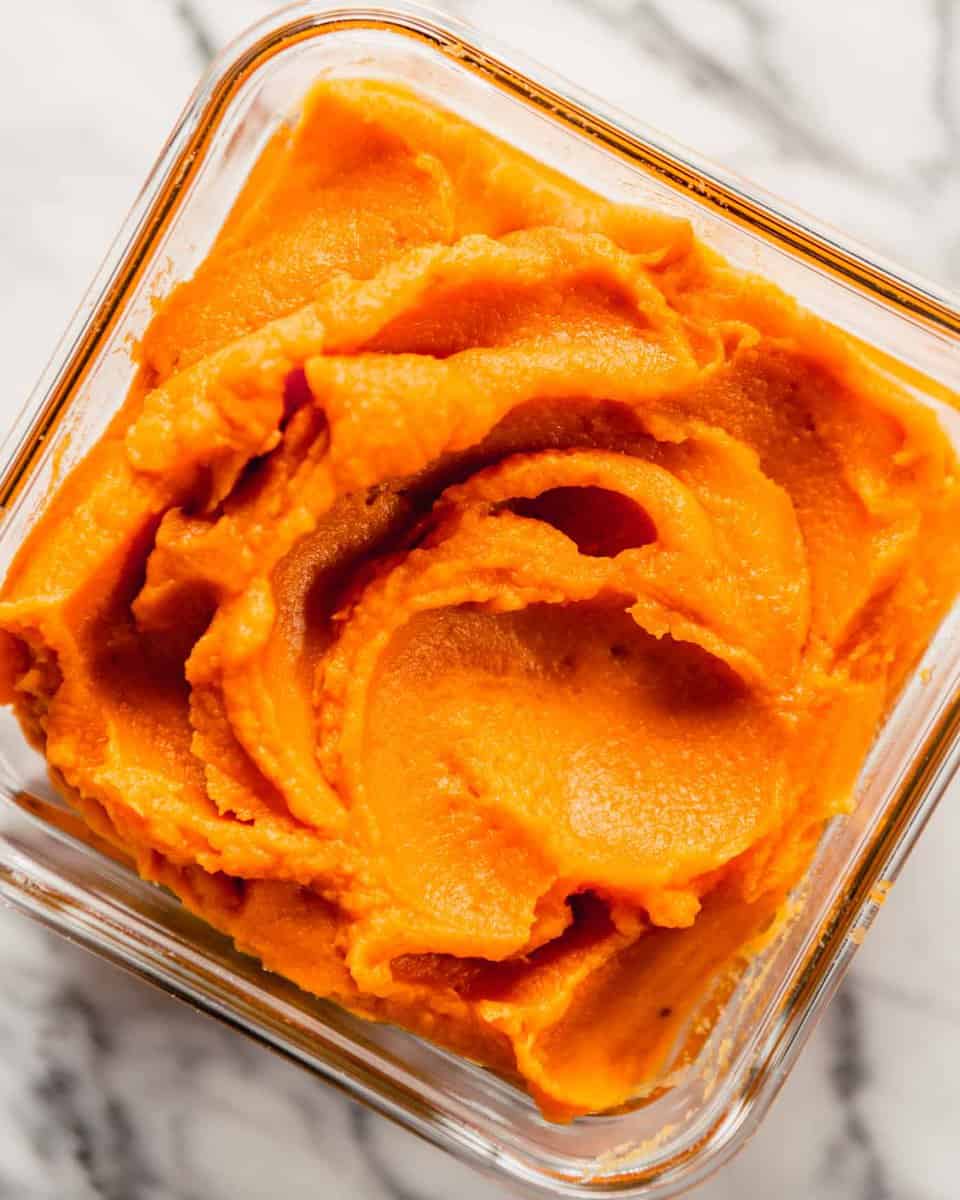
Unlock a world of culinary possibilities with one simple, natural ingredient: sweet potato. Forget store-bought cans laden with additives; embracing the kitchen hack how to make sweet potato puree from scratch is a game-changer for your cooking, baking, and healthy eating goals. This isn't just a recipe; it's a foundation for endless delicious creations, offering superior flavor, vibrant color, and undeniable nutritional benefits. Prepare to elevate your meals with pure, unadulterated sweet potato goodness.
Why Homemade Sweet Potato Puree is Your Next Essential Kitchen Hack
In a world overflowing with convenience foods, there’s a profound satisfaction, and often a superior result, when you make things from scratch. Sweet potato puree is a prime example. While canned versions exist, they often pale in comparison, both in taste and vibrant appearance, to a homemade batch. This simple kitchen hack how to make sweet potato puree offers:
- Unmatched Flavor and Sweetness: Commercial varieties can be bland or overly processed. Homemade puree bursts with natural, rich, earthy sweetness that's simply divine. Roasting, in particular, intensifies this sweetness through caramelization, giving your puree a depth of flavor that's hard to replicate.
- Brighter, More Appealing Color: From scratch means a brilliant, natural orange hue that makes any dish more appetizing. No dull, brownish tones here!
- Pure Ingredients, No Additives: This is the beauty of a "one-ingredient" recipe. You control exactly what goes into your food – just sweet potato. This makes it ideal for baby food, allergy-friendly diets, or simply for those who prefer clean eating.
- Nutritional Powerhouse: Sweet potatoes are a nutritional gem, packed with beta-carotene (a precursor to Vitamin A), Vitamin C, fiber, and antioxidants. Incorporating homemade puree into your diet is an easy way to boost your intake of these vital nutrients.
- Cost-Effective: Buying fresh sweet potatoes and making your own puree is often more economical than purchasing pre-packaged alternatives, especially if you buy in bulk when they're in season.
Discovering this simple process is truly an Easy Sweet Potato Puree: Homemade Tastes Better Than Store-Bought revelation that will transform your kitchen.
Choosing the Perfect Sweet Potatoes for Puree
The journey to perfect sweet potato puree begins with selecting the right potatoes. While many varieties exist, the most common and ideal for pureeing are the "gold" or "Jewel" sweet potatoes, characterized by their thin brownish-orange skin and bright orange flesh. These varieties are incredibly versatile, holding their vibrant color and creamy texture whether boiled, steamed, baked, or roasted.
When you're at the grocery store, keep these tips in mind:
- Firmness is Key: Choose sweet potatoes that feel firm to the touch. Avoid any that are soft, squishy, or yielding.
- Smooth Skin: Look for sweet potatoes with smooth, unblemished skin. Steer clear of those with black spots, green areas, or cracks, as these can indicate spoilage or an undesirable texture.
- Size Matters: Opt for small to medium-sized sweet potatoes. Very large ones can sometimes be stringy or less creamy in texture. Smaller potatoes also tend to cook more evenly and quickly.
The "One Ingredient" Philosophy and Flavor Customization
The magic of pure sweet potato puree lies in its simplicity: just one ingredient! This singular focus provides an unparalleled blank canvas, allowing you to tailor its flavor profile precisely to your culinary needs. Unlike pre-seasoned or canned versions, your homemade puree is an unadulterated base, waiting for your creative touch.
Depending on whether you're using it in a savory dish, a sweet bake, or as baby food, you can customize the flavor:
- For Savory Applications: Enhance with a pinch of sea salt and freshly ground black pepper. Grated fresh nutmeg adds a warm, earthy note. Other fantastic additions include a hint of cayenne pepper for a kick, garlic powder, smoked paprika, or fresh herbs like rosemary or thyme.
- For Luxurious Side Dishes: Stir in a knob of good quality butter or a dollop of sour cream (or a dairy-free alternative like coconut cream) into the warm puree for an incredibly rich and smooth texture.
- For Sweet Treats (if needed): While sweet potatoes are naturally sweet, if you're aiming for a dessert-level sweetness, you can add a touch of maple syrup, brown sugar, or even a dash of vanilla extract. Remember, roasting the sweet potatoes will naturally concentrate their sugars, often making additional sweeteners unnecessary for many recipes.
This "one ingredient" approach ensures versatility and control, making your puree truly multi-purpose.
Your Essential Kitchen Hack: How to Make Sweet Potato Puree
Making your own sweet potato puree is surprisingly straightforward. There are two primary methods, each offering slightly different flavor profiles and textures: roasting and boiling. Both are simple enough to become your go-to Make Sweet Potato Puree: Roast or Boil for Delicious Dishes kitchen hack.
Method 1: How to Make Roasted Sweet Potato Puree
Roasting sweet potatoes before pureeing them is often preferred for its ability to deepen the natural sweetness and create a richer, slightly caramelized flavor. The dry heat concentrates the sugars and reduces moisture, resulting in a thicker, more intense puree.
- Prepare and Roast: Preheat your oven to 400°F (200°C). Line a baking tray with parchment paper or a silicone mat for easy cleanup. Wash your sweet potatoes thoroughly. Cut each sweet potato in half lengthwise. Place the halves, flesh side down, on the prepared baking tray. This allows the cut surface to caramelize against the hot tray, enhancing flavor.
- Bake Until Tender: Roast for approximately 40-60 minutes, depending on the size and thickness of your sweet potato halves. They are ready when they are incredibly tender and can be easily pierced with the tip of a sharp knife or a skewer.
- Cool and Peel: Remove the sweet potatoes from the oven and let them cool on the tray until they are comfortable enough to handle. Cooling slightly also makes the skin easier to remove. Once cooled, carefully peel away the skin using a small, sharp knife or your fingers. It should come off quite easily. Discard the skins.
- Puree to Perfection: Transfer the tender, peeled sweet potato flesh into the bowl of a food processor. Blend until completely smooth and creamy. You may need to stop and scrape down the sides of the bowl once or twice to ensure everything is evenly pureed. For an extra velvety texture, you can add a tablespoon or two of water, vegetable broth, or even milk (dairy or non-dairy) if the puree seems too thick, but typically, roasted puree is naturally thick and smooth.
Hint: Roasting time varies significantly with sweet potato size. Always go by tenderness, not just the clock.
Method 2: How to Make Boiled Sweet Potato Puree
Boiling is a quicker method, often resulting in a lighter-colored and slightly less intensely sweet puree compared to roasting. It's excellent when you're short on time or prefer a more neutral base for your sweet potato.
- Prepare the Sweet Potatoes: Wash, peel, and trim your sweet potatoes. Cut them into roughly uniform 1-inch (2.5 cm) cubes. Uniform pieces ensure even cooking.
- Boil Until Tender: Place the cubed sweet potatoes in a large saucepan and cover them with cold water. Bring the water to a boil, then reduce the heat to a simmer and cook for 15-20 minutes, or until the sweet potatoes are fork-tender.
- Drain Thoroughly: This step is crucial for achieving a thick, creamy puree. Drain the cooked sweet potatoes very well in a colander. Allow them to sit for a few minutes, even shaking the colander occasionally, to ensure excess water has evaporated. If the puree is too watery, it will be thin and less flavorful.
- Puree Until Smooth: Transfer the well-drained sweet potatoes to a food processor or use an immersion blender directly in the pot. Blend until perfectly smooth and lump-free. As with roasting, you may need to scrape down the sides. If the puree is too thick, you can add a small amount of liquid (water, broth, or milk) one tablespoon at a time until you reach your desired consistency.
Hint: For an even creamier result, a potato ricer can also be used before blending, especially for boiled potatoes, to eliminate any potential lumps.
Unlocking Endless Culinary Creations with Sweet Potato Puree
Once you've mastered this simple kitchen hack how to make sweet potato puree, your culinary horizons will expand dramatically. This versatile ingredient can star in both sweet and savory dishes, from breakfast to dessert.
- Delightful Side Dish: Serve warm as a velvety, seasoned side dish alongside roasted meats or poultry. A swirl of butter and a sprinkle of fresh chives can elevate it beautifully.
- Baked Goods: Substitute sweet potato puree for pumpkin puree in muffins, quick breads, pies, cookies, and even cheesecakes. It adds moisture, natural sweetness, and a lovely color.
- Baby Food: Its smooth texture, natural sweetness, and high nutrient content make it an ideal first food for babies.
- Soups and Stews: Use it as a base or thickener for creamy sweet potato soup, lentil stews, or even a rich curry.
- Breakfast Boost: Stir a dollop into your morning oatmeal, yogurt, or blend into smoothies for added nutrients and sweetness.
- Savory Enhancements: Incorporate it into homemade gnocchi, pasta sauces, savory tarts, or even as a unique base for homemade veggie burgers.
- Healthy Swaps: In some baking recipes, sweet potato puree can even partially replace oil or butter, adding moisture and nutrients while reducing fat content.
Batch Cooking and Smart Storage
Making a large batch of homemade sweet potato puree is incredibly efficient. It freezes beautifully, allowing you to have this versatile ingredient on hand whenever inspiration strikes:
- Refrigeration: Store leftover puree in an airtight container in the refrigerator for up to 3-4 days.
- Freezing: For longer storage, portion the cooled puree into freezer-safe containers, zip-top bags (flattened to save space), or even ice cube trays (perfect for baby food portions). It will last in the freezer for up to 3 months.
- Thawing: Thaw frozen puree overnight in the refrigerator, or gently warm it in the microwave or on the stovetop over low heat.
Embracing the kitchen hack how to make sweet potato puree at home is more than just a cooking technique; it's a step towards more flavorful, nutritious, and creative meals. With just one simple ingredient, you unlock a pantry of possibilities, ensuring that delicious, wholesome food is always within reach. So go ahead, grab some sweet potatoes, and start pureeing – your taste buds (and your family) will thank you!
