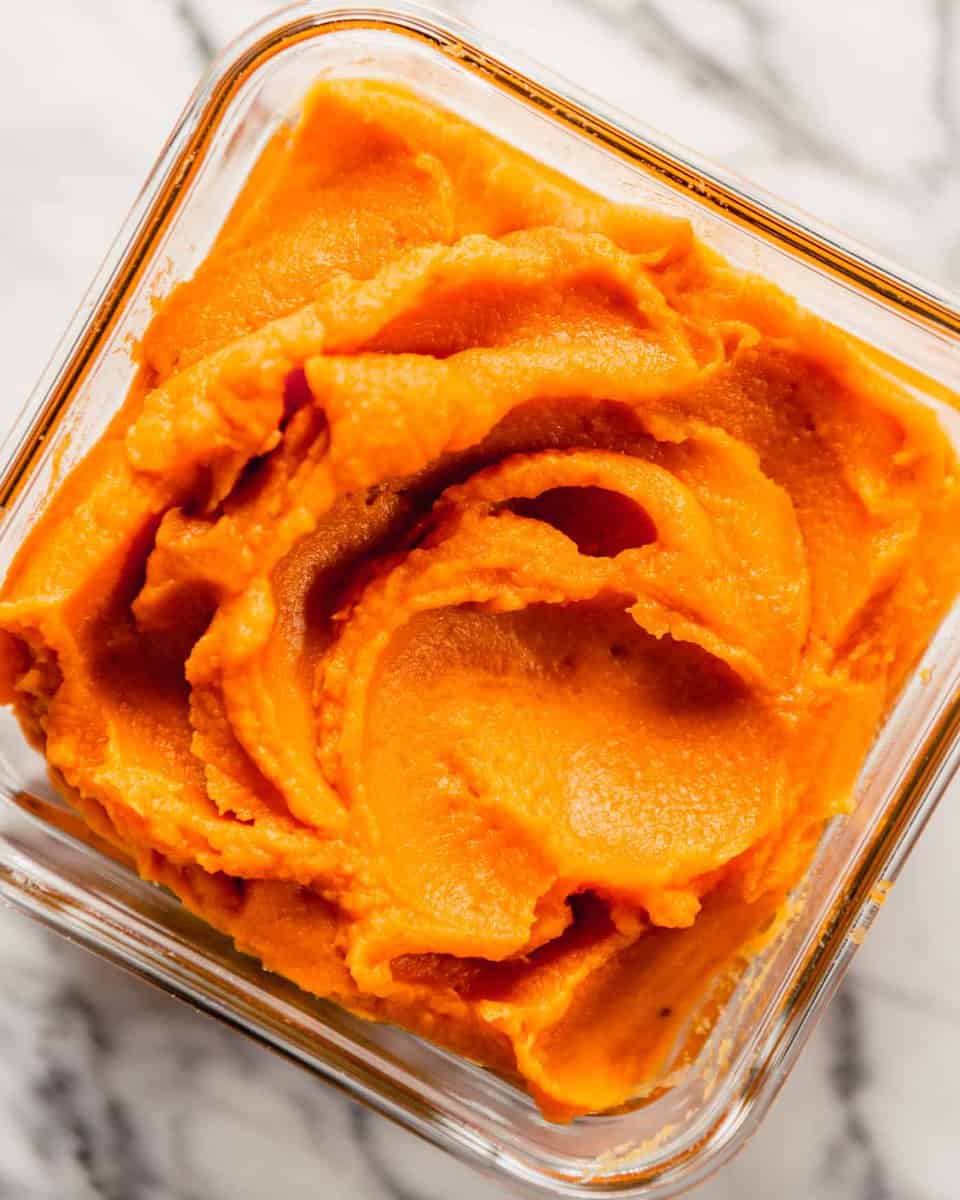
Sweet potato puree is a true kitchen marvel, offering incredible versatility, natural sweetness, and a wealth of nutrients. From enriching baked goods to becoming the star of a creamy side dish or even wholesome baby food, homemade sweet potato puree consistently outperforms its canned counterparts. The vibrant color, richer flavor, and absence of additives make it a superior choice every time. If you've ever wondered about the best kitchen hack how to make sweet potato puree that’s both easy and delicious, you’ve come to the right place. We'll dive deep into two primary methods – roasting and boiling – to help you achieve perfect, velvety puree for all your culinary adventures.
Why Homemade Sweet Potato Puree is a Game Changer
There's a noticeable difference when you take the minimal effort to make sweet potato puree from scratch. You'll immediately observe a brighter, more appealing color and a flavor that's both richer and naturally sweeter than any commercial variety. This isn't just a slight improvement; it's a significant upgrade that transforms your dishes. The beauty of homemade puree lies in its purity: it's truly a one-ingredient wonder. No added sugars, preservatives, or questionable fillers – just pure, unadulterated sweet potato.
Beyond taste and aesthetics, homemade puree is a nutritional powerhouse. Sweet potatoes are packed with essential vitamins like A and C, along with fiber and potent antioxidants. Incorporating this vibrant vegetable into your diet through puree is an excellent way to boost your intake of these vital nutrients. Plus, making it yourself is often more cost-effective, especially when you can buy sweet potatoes in season. You can easily adjust the quantity, making as much or as little as you need, and for those who use it frequently, batch preparation and freezing in individual portions is a convenient option. To truly appreciate the difference, you might want to read more about why Easy Sweet Potato Puree: Homemade Tastes Better Than Store-Bought.
When selecting your sweet potatoes, opt for the familiar gold or orange-fleshed varieties. Look for small to medium-sized potatoes; these tend to be creamier and cook more evenly than very large ones. They should feel firm to the touch, have smooth skin, and be free from any black spots, soft areas, or cracks. This ensures you start with the best possible foundation for your delicious puree.
Choosing Your Method: Roast for Richness or Boil for Simplicity
The quest for perfect sweet potato puree often boils down to a fundamental choice: to roast or to boil. Each method brings its own unique qualities to the finished product, influencing flavor, texture, and even the final color. Understanding these differences will empower you to choose the best technique for your specific culinary needs.
Roasting sweet potatoes is a slower, dry-heat cooking method that encourages caramelization. This process deepens the natural sugars within the sweet potato, resulting in a richer, more intense, and slightly nutty flavor profile. The texture tends to be a bit denser and drier, making it ideal for dishes where you want that concentrated sweetness to shine, like in baked goods or as a standalone side dish. It’s a fantastic way to coax out the inherent deliciousness of the vegetable.
Boiling, on the other hand, is a quicker, moister cooking method. It produces a milder, softer, and often creamier puree. While it doesn't offer the same depth of caramelized flavor as roasting, it excels in speed and ease of preparation. The higher moisture content makes it perfect for baby food, adding to soups, or incorporating into dishes that benefit from a looser, more hydrated consistency. The choice ultimately depends on the desired outcome for your sweet potato puree.
Method 1: Roasting Sweet Potatoes for a Deeper Flavor
Roasting is the preferred method if you’re looking for a sweet potato puree with an unparalleled depth of flavor and a beautiful, caramelized hue. This process concentrates the natural sugars, creating a truly rich experience.
- Prepare and Roast: Preheat your oven to around 400°F (200°C). Line a baking tray with parchment paper or foil for easy cleanup. Wash your sweet potatoes thoroughly. For best results, cut each sweet potato in half lengthways. Place the halves, flesh side down, on the prepared baking tray. Roasting them flesh-side down helps steam them in their own juices while allowing the skin to crisp slightly, making it easier to remove later. Bake for approximately 40-50 minutes, or until the sweet potato is tender when easily pierced with the tip of a sharp knife or a skewer. Cooking time will vary depending on the size and thickness of your sweet potatoes.
- Cool and Peel: Once tender, remove the sweet potatoes from the oven and allow them to cool on the tray until they are comfortable enough to handle. This cooling period is crucial; trying to peel them too hot can be difficult and dangerous. Carefully remove the skin using a small, sharp knife or even your fingers – the skin should slip off quite easily. Discard the skins.
- Puree to Perfection: Transfer the warm, peeled sweet potato flesh into the bowl of a food processor. Process until the puree is completely smooth and free of lumps. You may need to stop and scrape down the sides of the processor bowl a couple of times to ensure even blending. If you don't have a food processor, a potato masher and some elbow grease can work, but a food processor or immersion blender will give you the silkiest texture.
Expert Tip: Roasting often results in a slightly drier puree compared to boiling. If your puree feels too thick for your intended use, you can add a tablespoon or two of water, vegetable broth, milk, or even a touch of orange juice while blending to achieve your desired consistency.
Method 2: Boiling Sweet Potatoes for Quick and Creamy Puree
Boiling is an excellent method for achieving a wonderfully creamy, soft puree quickly. It's particularly useful when you need a moister texture or when time is of the essence.
- Prepare the Sweet Potatoes: Wash your sweet potatoes thoroughly. Using a vegetable peeler, carefully remove the skin. Trim off any tough ends or bruised spots.
- Chop and Boil: Cut the peeled sweet potatoes into uniform 1-inch (2.5 cm) chunks. Uniform pieces are key for even cooking. Place the sweet potato chunks into a saucepan and cover them with cold water, ensuring they are fully submerged by about an inch. Bring the water to a boil over medium-high heat, then reduce the heat to a simmer. Cook for about 15-20 minutes, or until the sweet potato pieces are fork-tender. They should be very soft and easily pierced.
- Drain and Puree: This is a critical step for preventing watery puree. Drain the cooked sweet potatoes thoroughly in a colander. For an even drier puree, you can return the drained sweet potatoes to the warm, empty saucepan over low heat for a minute or two, stirring gently to allow any residual moisture to evaporate. Transfer the hot sweet potato chunks to a food processor or a large bowl. Blend or mash until completely smooth. Again, if using a food processor, scrape down the sides as needed.
Expert Tip: Resist the urge to add water or liquid to the boiling pot once the sweet potatoes are tender; instead, drain them immediately. For the absolute creamiest, fluffiest puree, use a potato ricer before transferring to a food processor.
Elevate Your Puree: Flavorings and Customization
The beauty of homemade, pure sweet potato puree is its blank canvas quality. Since it contains just one ingredient, you have complete control over its final flavor profile. This allows for endless customization, transforming it from a simple base into a luxurious side dish or a key component of a complex recipe. To get even more ideas on how versatile it is, check out Pure Sweet Potato Puree: One Ingredient for Endless Recipes.
- For Sweet Applications: If you're incorporating the puree into baked goods, overnight oats, or a dessert, consider enhancing its natural sweetness. A pinch of ground cinnamon, nutmeg, or allspice can add warmth. A splash of vanilla extract or a drizzle of maple syrup or honey will boost the sweetness further. Orange zest can also add a bright, citrusy note.
- For Savory Dishes: When serving as a side dish or integrating into soups and stews, savory seasonings are your friend. A generous pinch of sea salt and freshly ground black pepper is always a good start. For an aromatic twist, try a touch of garlic powder, onion powder, smoked paprika, or a sprig of fresh thyme or rosemary blended in. A hint of cayenne pepper can add a subtle kick.
- For Added Richness and Creaminess: To transform your puree into an indulgent side, especially when served warm, mix in a knob of unsalted butter, a dollop of sour cream, or a swirl of cream cheese. For a dairy-free option, coconut milk or a plant-based butter substitute works wonderfully, adding both richness and a lovely subtle flavor. These additions are best incorporated while the puree is still warm, allowing them to melt and blend seamlessly.
The method you chose (roasting or boiling) might also influence your flavor choices. The deeper, caramelized notes of roasted puree pair beautifully with warm spices like cinnamon and ginger, while the milder flavor of boiled puree makes it an excellent base for more prominent savory herbs or a simple butter and salt seasoning.
Uses for Your Versatile Sweet Potato Puree
Once you’ve mastered the kitchen hack how to make sweet potato puree, a world of culinary possibilities opens up. This versatile ingredient can elevate an incredible array of dishes, making it a staple you’ll want to keep on hand.
- Wholesome Baby Food: One of the most popular uses is for homemade baby food. Its natural sweetness and smooth texture make it a perfect first food for infants, free from any added sugars or preservatives.
- Luxurious Side Dish: Serve it warm as a simple, elegant side dish for any meal. Stir in butter, a touch of cream, and your favorite seasonings (salt, pepper, a hint of nutmeg) for a truly comforting accompaniment to roasted chicken, pork, or fish.
- Baked Goods Booster: Substitute sweet potato puree for pumpkin puree in many recipes like muffins, quick breads, pies, and even cookies. It adds moisture, natural sweetness, and a beautiful color, making your baked goods extra tender and flavorful. Think sweet potato pie or muffins!
- Smoothies and Overnight Oats: Stir a spoonful into your morning smoothie for added nutrients and creaminess, or layer it into overnight oats for a wholesome and delicious breakfast.
- Soups and Sauces: Use it as a natural thickener and flavor enhancer for creamy soups, stews, or even pasta sauces. It adds body and a subtle sweetness without overpowering other ingredients.
- Pancakes and Waffles: Incorporate some puree into your pancake or waffle batter for a unique twist that’s both flavorful and nutritious, perfect for a weekend brunch.
- Savory Creations: Don't limit yourself to sweet applications. Sweet potato puree can be used in savory dishes like gnocchi, ravioli fillings, savory soufflés, or even mixed into a frittata for added creaminess and flavor.
The fresh flavor and vibrant color of homemade sweet potato puree shine through in all these applications, making your dishes not just tastier, but also more visually appealing and nutritious.
Mastering the kitchen hack how to make sweet potato puree, whether by roasting or boiling, is a simple yet incredibly rewarding skill. It offers superior flavor, vibrant color, and the peace of mind that comes from knowing exactly what’s in your food. By choosing the method that best suits your needs – roasting for deep, caramelized richness or boiling for quick, creamy simplicity – you unlock a versatile ingredient ready to transform countless dishes. So go ahead, grab some sweet potatoes, and experience the delicious difference of homemade puree in your kitchen today!
